 |
U3A
Zimbabwe
Brought to you by your webwallah Arthi Kumari |
 |

In this page we hope to advance the programme initiated by our Founder and President, Beatrice Sithole, to explore all aspects of caring for the Elderly of Zimbabwe and other groups in other countries. We welcome suggestions and feedback from any and all members of the University of the Third Age; simply email zimbabwe@worldu3a.org and it will reach Beatrice and your webwallah Tom Holloway.
Please check back regularly for more information.


Indeed, many of us – particularly those who had families later – will find ourselves simultaneously parenting our kids and our parents. In one breath we’ll be begging our children to swap French fries for vegetables, and in the next breath we’ll be urging our parents to exchange cake for sardines..
Frankly, technology is often baffling to me, too. Luckily I have kids who delight in parenting me – advising, explaining and guiding me on all things digital. But studies suggest that this helpfulness might not be as beneficial as we think. Grappling with new and baffling things forces the ageing brain to work in novel ways. A recent study from the University of Texas involving more than 200 elderly adults found that those who engaged with technology had better cognition and memory than their non-engaging peers.
The following issues below have been noted as the most pressing needs of the aged.
HEALTH: The focus is on psychological /mental health, to promote clear judgment by the individual, family and community
BALANCED DIET: This area of discussion may fall under the heading Health. However, it can be discussed on its own.
DISEASES: All the aged suffer from a disease or physical discomfort of some sort. The main challenges faced by the aged are lack of proper medical care.
RECREATION: The availability of recreational facilities needs attention and emphasis.
SHELTER: A number of aged people have no shelter, that is, structures approved by the local authority.
LEGAL ADVICE: Most of the aged lack legal advice, protection, and representation in accordance with the laws of today.
HEIRS TO PROPERTY: Most aged people face challenges upon disposal of their assets when still alive.
FOR THE FULL TEXT SIMPLY
CLICK HERE>>>
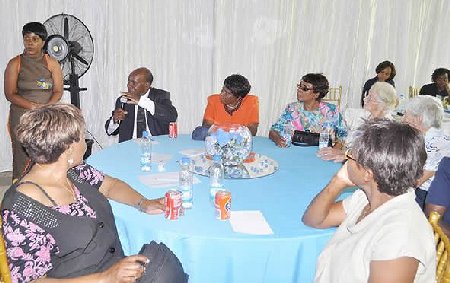
The Power of Touch, aka Senior Citizens Haven, was launched in October
2016.
This institution was formed to assist senior members (age 55 and above) to continue getting all the services from various service providers at a discount,” said the founder, Ms Beatrice Sithole.

NOTICE OF ISLAND
HOSPICE AND HEATHCARE
ANNUAL GENERAL MEETING
The 44th Annual
General Meeting will be held at Island Hospice and Healthcare. 6 Natal
Road
Belgravia, Harare and VIRTUALLY on Thursday 28th September 2023
at 10.00 hrs CAT
 Kindly
be advised of a Polio vaccination campaign happening in Zambia from 31st
August to 3rd September.
Kindly
be advised of a Polio vaccination campaign happening in Zambia from 31st
August to 3rd September.
All children in Zambia from
0 to 8years will be vaccinated including those who are visiting or crossing
at the border during this period.
The campaign is part of a regional response to outbreaks of Polio globally and within the region. Zambia has reported one confirmed case of Polio. Zimbabwe will be implementing a similar exercise in October (dates will be confirmed).
-Nesta Hatende
 There
are many early warning signs of Dementia.
There
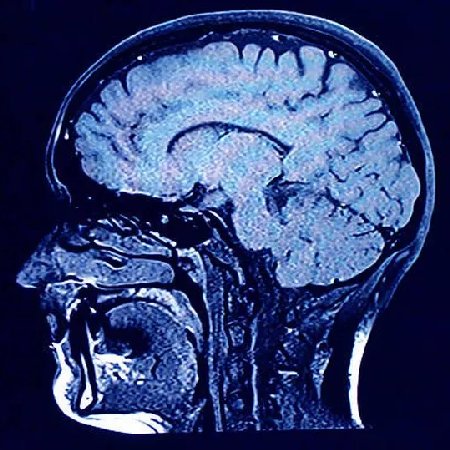
are many early warning signs of Dementia. Neurological experts have outlined early warning signs of Alzheimers and they are not what many would expect. The form of dementia can be difficult to diagnose because many of the symptoms can be conflated with other issues, such as depression, stress, or clumsiness.
The disease worsens gradually over the course of time. Initially, memory loss can be mild but - in the case of late-stage Alzheimers - it escalates in severity. Many people lose the ability to respond to stimuli in their environment and are unable to engage in conversation. The ability to judge distances and spacing - known as visuospatial skills - declines. With this in mind, something as innocuous as falling up stairs may be an early sign of a neurodegenerative ailment.
"A person with dementia may also have ‘visuospatial difficulties’, when the brain has problems processing information about 3D objects. This can affect a person’s ability to judge distances. They may have difficulties using stairs, parking a car or recognizing objects," the Alzheimers Society said. Visual loss, according to Dr Jørn Slot Jørgensen, of Laser Eye Clinic London, can be another early red flag for dementia. The symptoms can be difficult to spot.

Supporting someone who denies their dementia
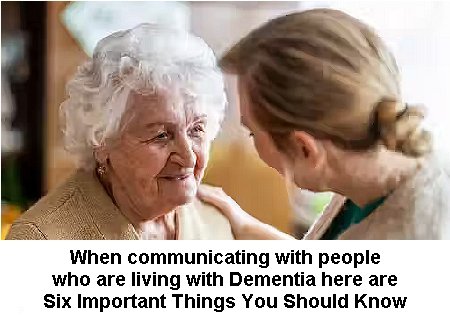
Listen carefully to what the person says without interrupting or correcting them, and try not to directly contradict their account of what is happening. This can help you to find out more about how they’re feeling and what they need, and how to approach these conversations in future. Always try to be supportive, gentle and calm when you’re talking to the person. If you’re angry or stressed it will make things worse.
If the person does not want to use the words ‘dementia’ or ‘Alzheimer’s’ it is important to respect this. Instead, talk to them about changes they’ve noticed in themselves or specific problems they’re having. This might lead them to talk about their feelings and you can then give them reassurance or suggest support to help with these.
Try not to confront the person or attempt to convince them of their diagnosis. It isn’t possible to persuade someone to suddenly accept their condition if they are in denial or experiencing lack of insight, and it will likely be upsetting for you both.
Practical advice for carers
Some people with dementia might struggle to recognise where they are as ‘home’. This might be because they have become disorientated.
In this video, Admiral Nurse Gayle Madden shares some tips to help the person with dementia feel more at ease, which might make them less inclined to want to leave the house.

We recorded a leading expert about the latest research into dementia, memory and brain health.
Dr Vanessa Raymont, University of Oxford Senior Clinical Researcher and R&D Director at Oxford Health NHS Foundation Trust took questions in an ‘ask the expert’ event from 7pm to 7.45pm on Wednesday 15 February.
Asking the questions was Marianne Talbot, whose parents suffered from dementia. She is the author of Keeping Mum: Caring for Someone with Dementia and is also a supporter of Alzheimer’s Research UK, Carers UK and Age UK.
This recording is available; simply request by clicking on tom@worldu3a.org
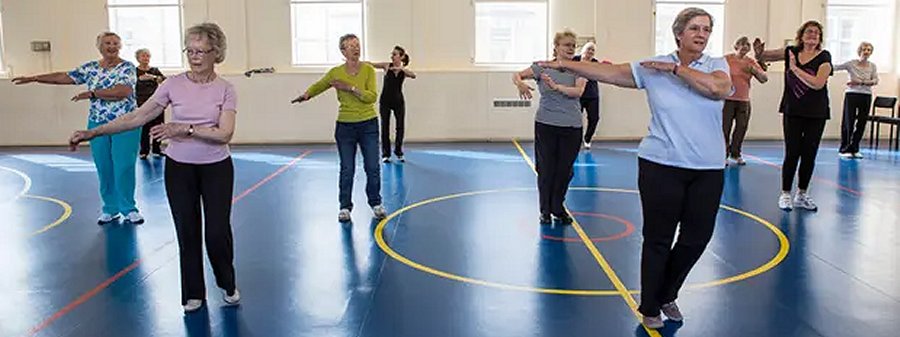
Regular exercise was found to be the third most potent lifestyle choice for slowing memory decline. A combination of healthy lifestyle choices such as eating well, regularly exercising, playing cards and socialising at least twice a week may help slow the rate of memory decline and reduce the risk of dementia, a decade-long study suggests.
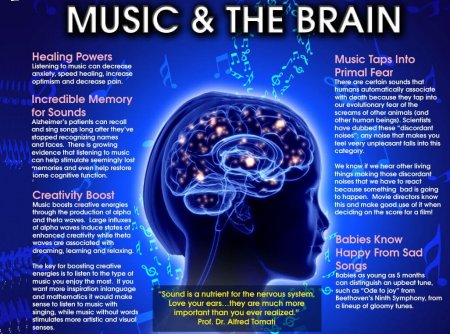
Music therapy can help to manage
and reduce agitation, isolation, depression and anxiety in people with
dementia. Learn more about how music therapy can support a better quality
of life for people living with the condition.
Music therapy has the power to improve the lives of some of the most vulnerable people in our communities. People with dementia in residential care are given opportunities for musical expression and experimentation.
Research has shown that music therapy can significantly improve and support the mood, alertness and engagement of people with dementia. As a result, music therapy sessions can often reduce the use of medication.
It can also help people who
may find it difficult to communicate verbally, whether due to a physical
or cognitive disability, emotional distress or mental illness.
"Retirement will come the day I’m buried": Grandmothers are left holding the baby when young people are abandoning their villages and children for the bright lights, leaving their mothers to pick up the pieces. For Bokwaya Angel Naonou, a 57-year-old granny, the education of her six grandchildren is what matters most.
In the great movements of population going on around the globe, there are 300 million people living somewhere other than their country of birth – and three times as many have migrated within their own country. But for every migration there are those left behind and most of them are women and children.
In village after village, grandmothers are bringing up four or five or six grandchildren, in some cases great-grandchildren, too. Often the parents slip away in the dead of night, without warning, leaving their children behind. The grandmothers become sole breadwinners, toiling in fields in heat and dirt. In the countryside, where it was once possible for a family to live off their land and afford seeds and fertiliser, send children to school, pay for a medical visit, and be able to save a little, hard choices now need to be made between shoes for the children or pesticides to guarantee a harvest. Where there was once joy at seeing crops grow, now there is a fatalism: pray for the best, expect the worse. Hunger has taken hold across Africa. We need a new approach to tackling its causes.


Published Sept. 27, 2022
The pharmaceutical companies Biogen and Eisai said on Tuesday that a drug they are developing for Alzheimer’s disease had slowed the rate of cognitive decline in a large late-stage clinical trial.
The strong results boost the drug’s chances of winning approval and offer renewed hope for a class of Alzheimer’s drugs that have repeatedly failed or generated mixed results.
The positive data also offer Biogen a second chance after the company’s disastrous rollout of another Alzheimer’s drug, Aduhelm. That medication won regulatory approval last year despite little evidence that it could slow cognitive decline, received only sharply limited coverage..
This course seeks to improve the wellbeing and experience of people with dementia and the staff working with them. It should improve your confidence in managing situations you find challenging.
Learning outcomes
 Discuss
the signs and symptoms of dementia
Discuss
the signs and symptoms of dementia
Differentiate
dementia from other conditions
Discuss the
importance of recognising what’s important to people
Discuss how
dementia affects the person, their family and our wider society
Understand why
a person with dementia might show signs of distress
 About
Dementia Friends
About
Dementia Friends
Alzheimer’s Society’s Dementia Friends programme is the biggest ever initiative to change people’s perceptions of dementia.
Dementia Friends is about learning more about dementia and the small ways you can help. From telling friends about the Dementia Friends programme to visiting someone you know living with dementia, every action counts.